


AirTag can be a useful extra layer for helping you locate a dog’s collar or see where it was last detected, but it should not be treated as a dedicated pet GPS tracker or a substitute for identification, a registered microchip, secure containment, or active supervision.
If you choose to use an AirTag with your dog, the goal is simple: keep it securely attached, comfortable, easy to check, and part of a broader pet-safety plan.
Can you use an AirTag on a dog collar?
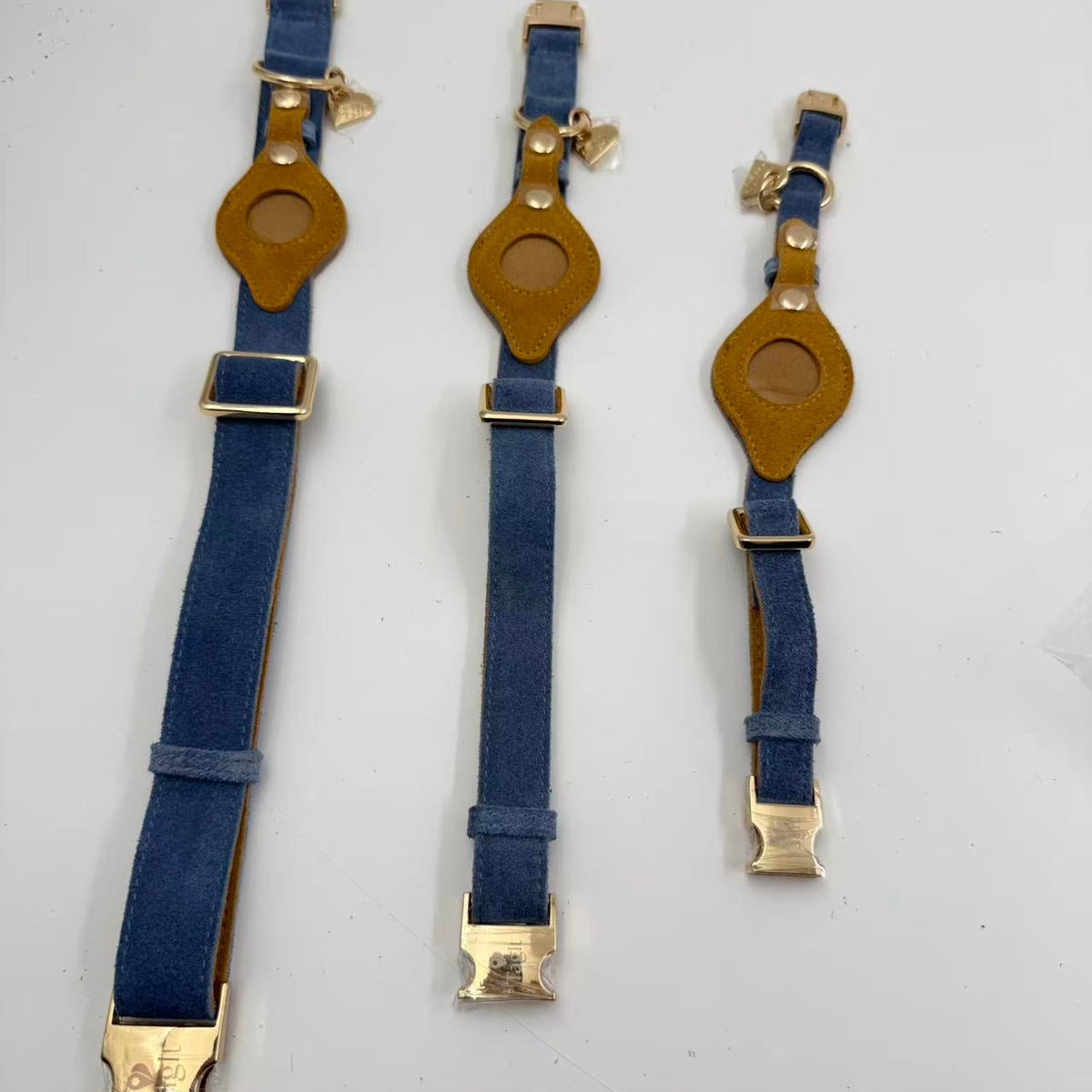
Yes, an AirTag can be attached to a dog collar using a secure holder. Because AirTag is an item finder rather than a dedicated pet-tracking device, location updates can depend on nearby compatible devices, battery status, and surrounding conditions.
For everyday safety, pair any compatible tracker with a visible ID tag, an up-to-date microchip, a well-fitting collar or harness, and current contact information.
What to look for in an AirTag dog collar or holder
- Secure placement: the tracker should stay firmly attached during normal activity.
- Comfort: avoid bulky hardware that rubs or swings excessively.
- Durability: choose construction designed for regular walks and everyday wear.
- Easy access: you should be able to check the tracker and battery without damaging the collar.
- Good fit: the collar itself should fit your dog correctly and be inspected regularly for wear.
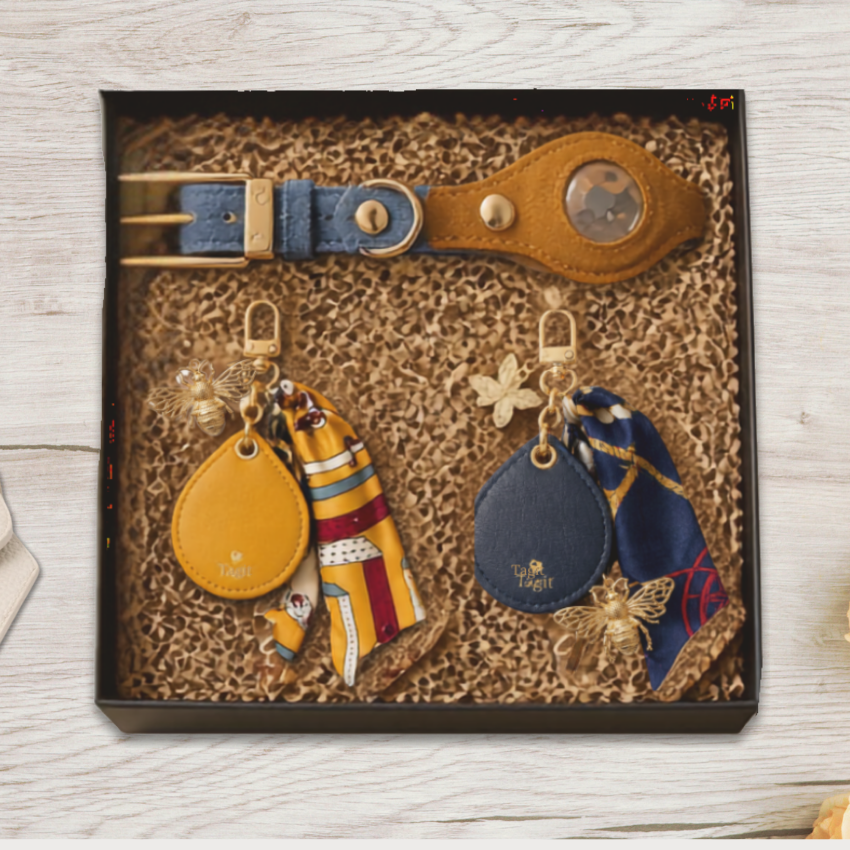
Explore TagIt’s AirTag dog collars and pet tracker accessories for elevated options designed to keep the tracker integrated into the look of the collar rather than hanging from a bulky plastic case.
How to add an AirTag to your dog’s safety routine
- Set up the AirTag in Apple’s Find My app according to Apple’s instructions.
- Place it in a secure, compatible holder or collar pocket.
- Confirm the holder is fully closed and comfortable before each outing.
- Check the AirTag battery status periodically.
- Keep your dog’s visible ID tag and microchip registration current.
AirTag vs. a dedicated GPS pet tracker
The two tools serve different purposes. A dedicated GPS pet tracker is designed specifically for ongoing pet-location tracking and may offer features such as more frequent location updates or pet-focused alerts. AirTag is designed to help locate personal items through Apple’s Find My ecosystem.
For some families, an AirTag can be a convenient additional layer. For dogs with a high escape risk, frequent off-leash activity, or situations where continuous location tracking is important, a dedicated pet GPS device may be the more appropriate tool.
What else should you do if you’re worried about your dog getting lost?
Layering simple precautions is more effective than relying on one device. Keep recent photos of your dog, update identification and microchip records, inspect collars and leashes regularly, and have a family plan for what to do if your dog goes missing.
For a broader checklist, read 7 Ways to Help Keep Your Dog Safe, Identified & Close.
Helping what matters most find its way home
TagIt’s approach is built around thoughtful layers of identification, preparedness, and beautifully designed tracker-compatible accessories. Visit the TagIt Lost & Found Society for more resources, then browse the Pet Collection for tracker-ready dog collars and accessories.
Important: TagIt products and compatible item finders are accessories and are not substitutes for supervision, secure containment, visible identification, a registered microchip, or a dedicated GPS pet-tracking service. Apple AirTag is sold separately. Apple and AirTag are trademarks of Apple Inc.
