




They greet us at the door, follow us from room to room, and somehow know when we need them most. Dogs are not simply pets—they are family. And keeping them safe is one of the most loving responsibilities we carry.
September is National Preparedness Month, making it a natural time to check the small details that can make a meaningful difference if a dog slips a leash, gets out through an open gate, or becomes separated from the family during an emergency.
No single tool can prevent every frightening moment. The strongest plan uses several simple layers: clear identification, an updated microchip, secure everyday gear, recent records, and a practiced family response. Here are seven practical ways to help keep your dog safe, identified, and close.
1. Keep identification tags current
A visible ID tag is often the fastest way for a neighbor or good Samaritan to reach you. Check that your dog's tag includes a current mobile number and that the engraving is still easy to read. If you have recently moved or changed phone numbers, update the tag right away.
You may also want to include a second contact number in case you cannot be reached. Keep the information useful and concise; your dog's name, one or two phone numbers, and a brief medical note when truly necessary are usually enough.
2. Microchip your dog—and keep the registration updated
A microchip provides a permanent form of identification that cannot fall off with a collar. But the chip is only useful when its registration points to the right person. Confirm the chip number, registry, phone number, email address, and home address at least once a year.
Save the microchip number and registry contact information in your phone so it is available even when you are away from home. If your dog is not yet microchipped, your veterinarian or local shelter can explain the quick procedure and registration process.
3. Check the fit and condition of everyday gear
Collars can loosen over time, especially after grooming, weight changes, or seasonal coat changes. A general starting point is a snug fit that allows you to slide two fingers between the collar and your dog's neck without letting the collar slip over the head.
Inspect buckles, stitching, leash clips, and D-rings for wear. Replace damaged gear rather than waiting for it to fail. For dogs who pull, back out of collars, or have unique body shapes, ask a trainer or veterinarian whether a harness or other walking setup would be more secure.
4. Treat a compatible tracker as an added layer—not the whole plan
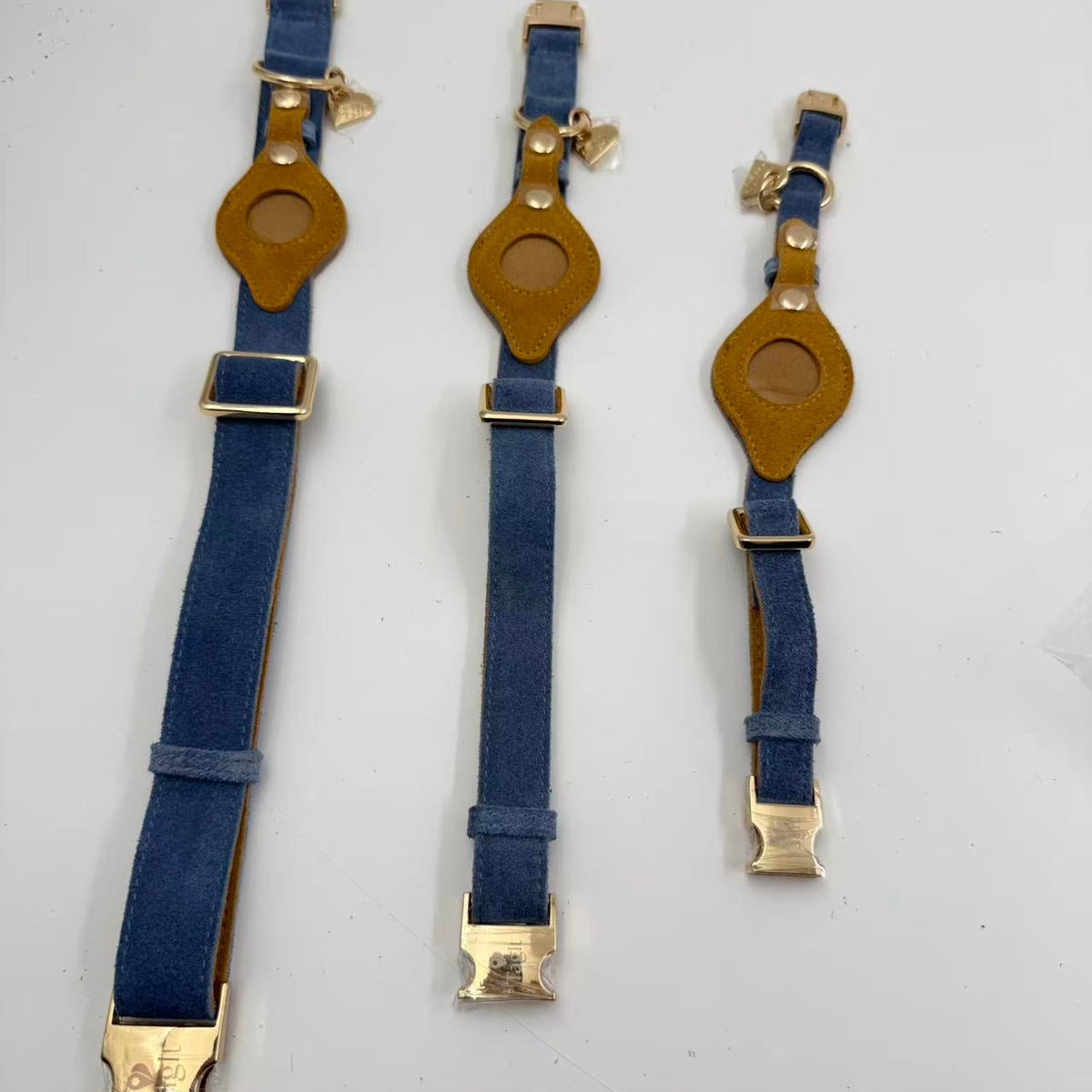
A compatible item finder can offer another way to locate the collar or see where it was last detected. It can be a helpful complement to traditional identification, particularly during travel or busy family routines.
However, an item finder is not a substitute for a microchip, visible ID tag, secure leash, fencing, or active supervision. Its location information can depend on device compatibility, network availability, battery life, and surrounding conditions. Check the battery regularly and make sure any holder is securely attached before each outing.
5. Keep recent photos and essential records easy to reach
Take clear, current photos of your dog from the front and both sides. Include close-ups of distinctive markings, scars, or coloring. Save copies to your phone and cloud storage, along with vaccination records, medications, veterinarian information, microchip details, and proof of ownership.
If your dog goes missing, recent photos make it much easier to create an accurate alert quickly. A favorite candid photo is wonderful, but a well-lit, full-body image is usually more useful for identification.
6. Build a simple pet emergency kit
Your family emergency plan should include every animal in the home. Keep a small, easy-to-grab kit with several days of food and water, bowls, medications, waste bags, a spare leash and collar, a familiar blanket or toy, basic first-aid supplies, and printed copies of important records.
Add a recent photo of you with your dog. That photo may help demonstrate ownership if you become separated. Review the kit twice a year, replacing expired food, medication, and batteries as needed.
7. Make a “what if” plan before you need it
Decide who will take responsibility for each pet if the household must leave quickly. Know where carriers, leashes, and emergency supplies are stored. Identify a trusted neighbor who can help if you are away, and research pet-friendly lodging or evacuation options before severe weather arrives.
Practice reliable recall in safe, enclosed environments and teach everyone in the household not to chase a frightened dog. Instead, use a calm voice, familiar cues, and high-value treats. Prevention matters, but a prepared response can save precious time.
If your dog goes missing
Begin close to home and act quickly. Search the immediate area, contact nearby shelters and veterinary offices, notify the microchip registry, and share a clear alert with local neighbors and community groups. Include a recent photo, the last known location and time, identifying features, and one reliable contact number.
Be cautious of anyone demanding money or a verification code before providing proof that they have found your dog. Ask for a photo or identifying detail that was not included in the public post, and arrange reunions safely.
Because every pet deserves a way home
Responsible pet care is rarely one dramatic action. It is a collection of thoughtful habits: checking a clasp, updating a phone number, charging or replacing a battery, saving a recent photo, and making sure the whole family knows the plan.
At TagIt, we believe the things—and companions—we love deserve a way home. The TagIt Lost & Found Society is our growing resource for preparedness, community support, and helping what matters most find its way back.
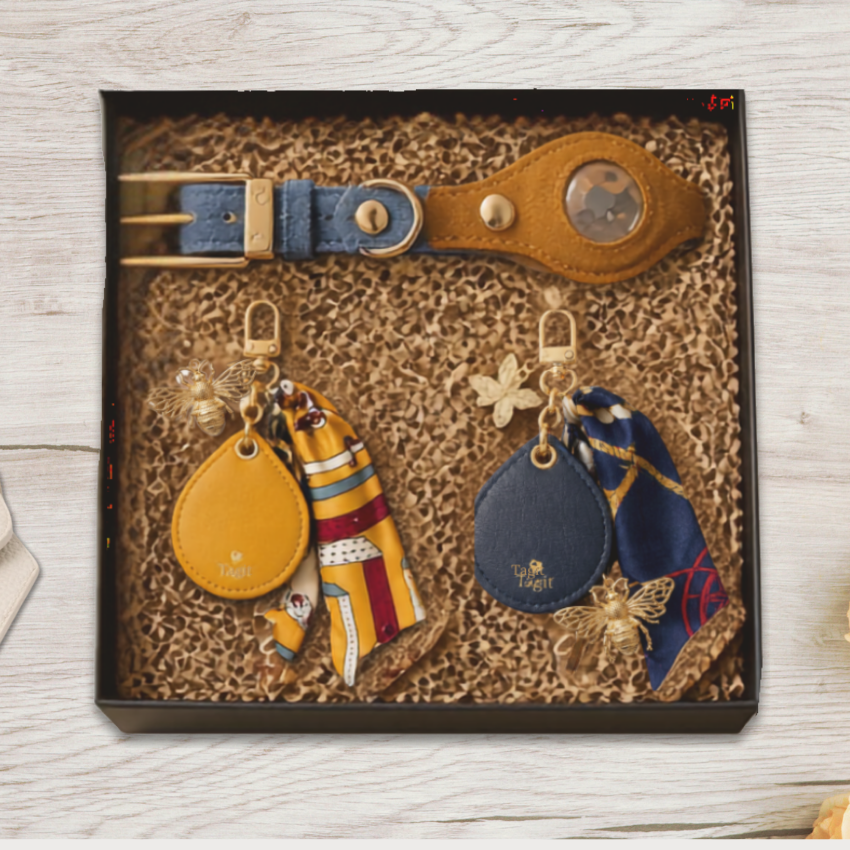
If you are adding another layer to your dog's everyday routine, explore our Pet Collection, designed to bring thoughtful function to beautifully made essentials.
Important: TagIt products and compatible item finders are accessories and are not substitutes for supervision, secure containment, visible identification, a registered microchip, or a dedicated GPS pet-tracking service. Apple AirTag is sold separately. Apple and AirTag are trademarks of Apple Inc.
