


The easiest organization system is the one you can repeat without thinking. Give every daily essential a clear home, reduce what you carry, and build one short reset into your routine.
1. Define your true essentials
Empty your everyday bag, pockets, and entryway catch-all. Sort items into four groups: daily, occasional, belongs elsewhere, and discard or recycle. Keep only what genuinely needs to travel with you each day.
2. Create a landing place
Choose one spot near the door for keys, wallet, and other leave-the-house items. A tray, hook, or small drawer works well. The specific container matters less than returning the items to the same place every time.
3. Use zones inside your bag
- Quick reach: phone, transit card, or glasses
- Secure: wallet, identification, and keys
- Care: medication, hand cream, or small personal items
- Technology: charging cable, earbuds, or power bank
Small pouches or built-in pockets prevent loose items from collecting at the bottom.
4. Make identification useful
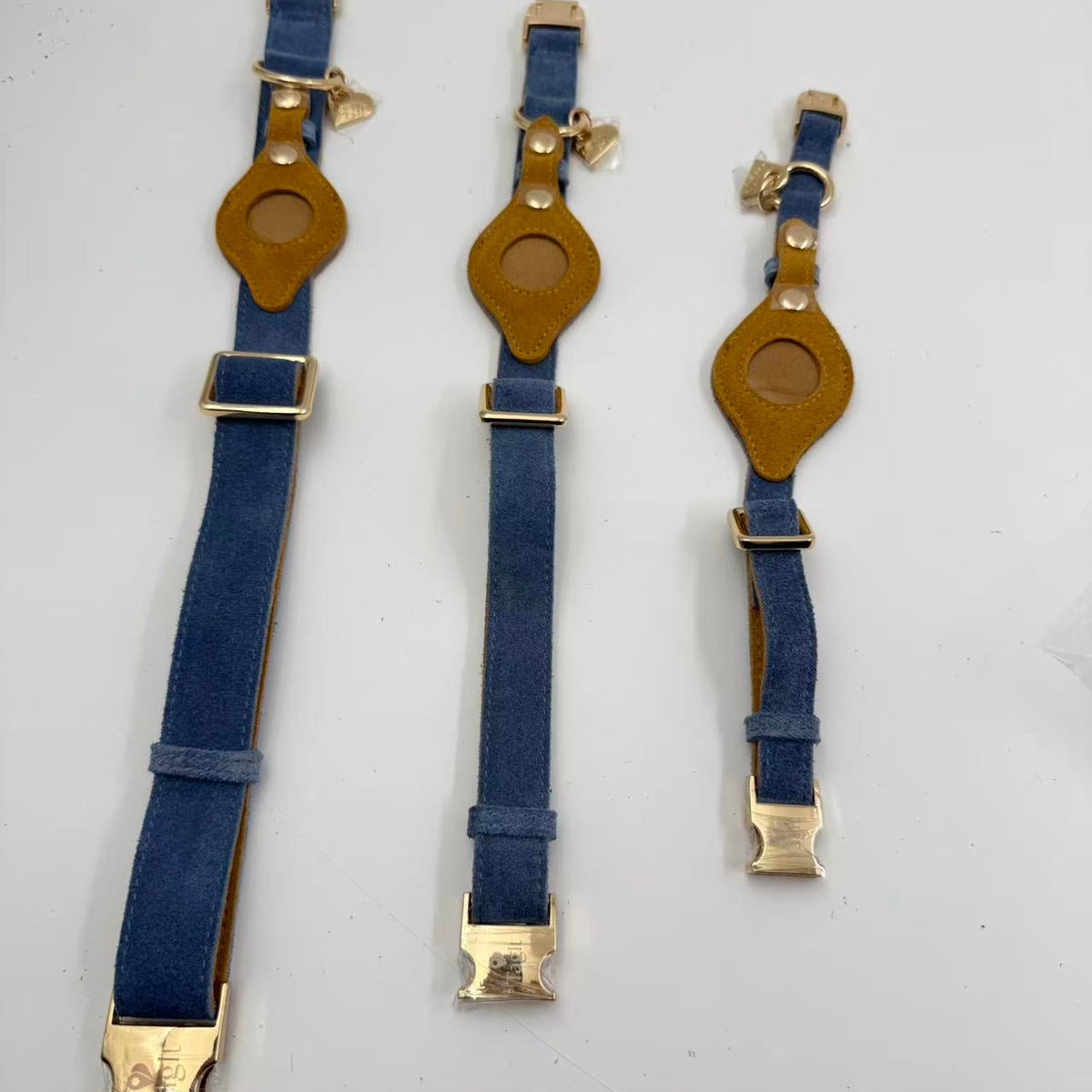
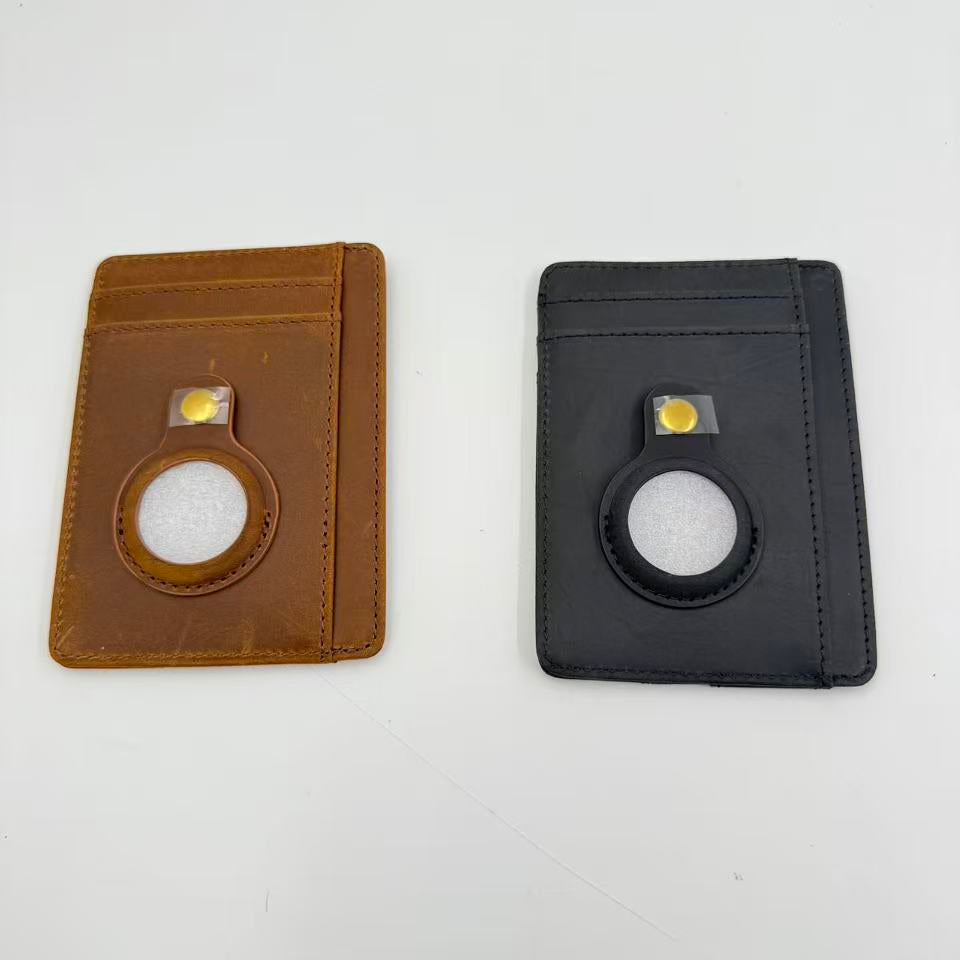
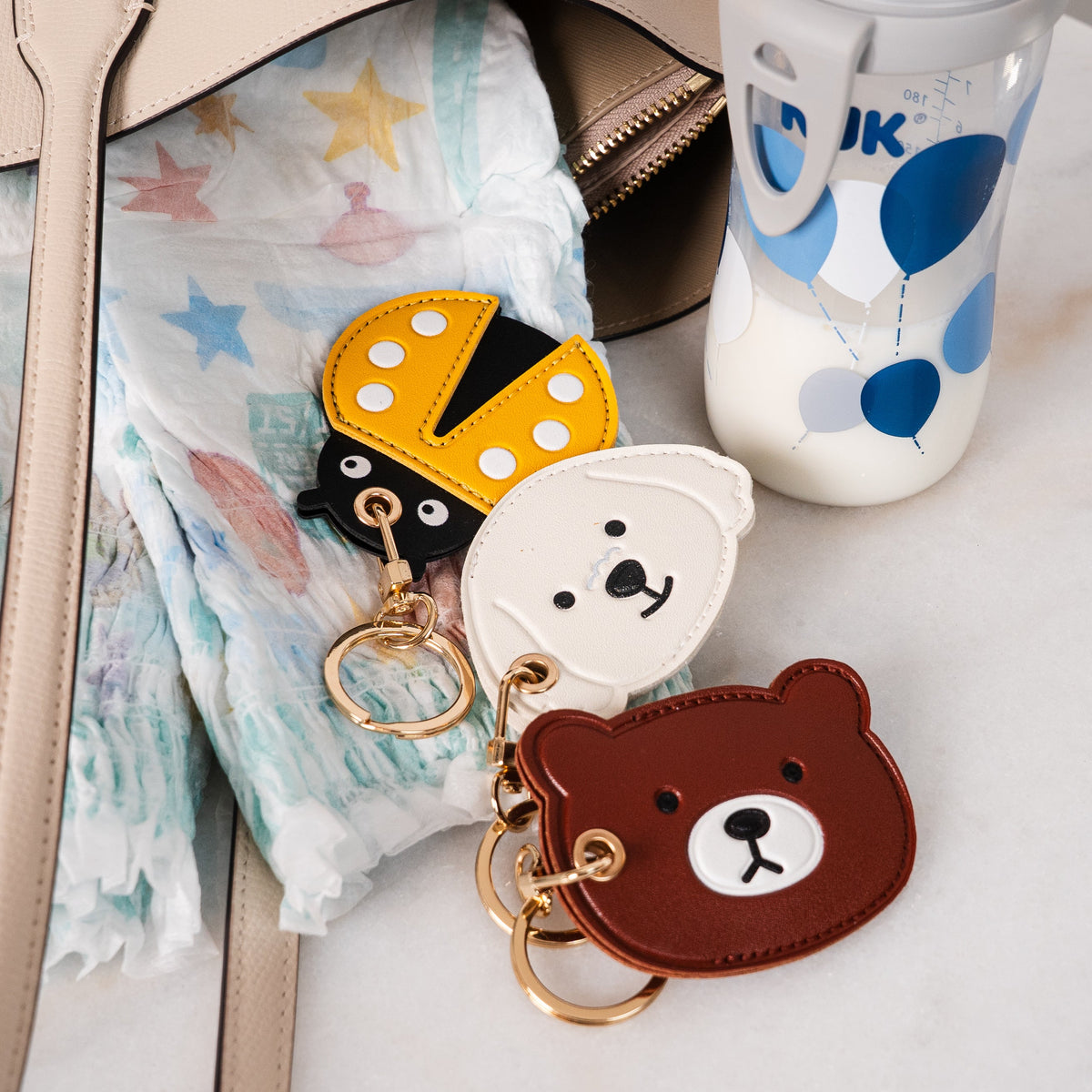
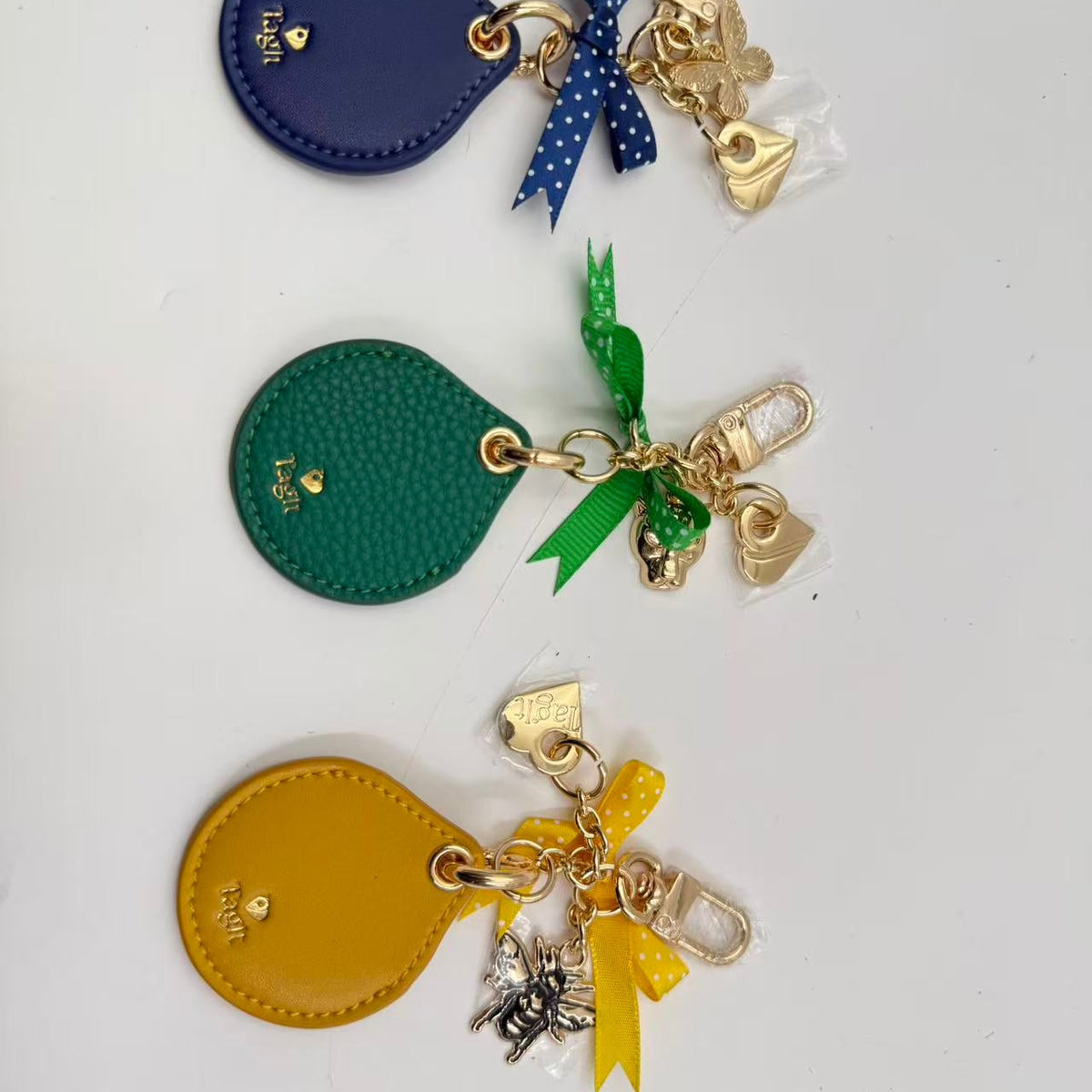
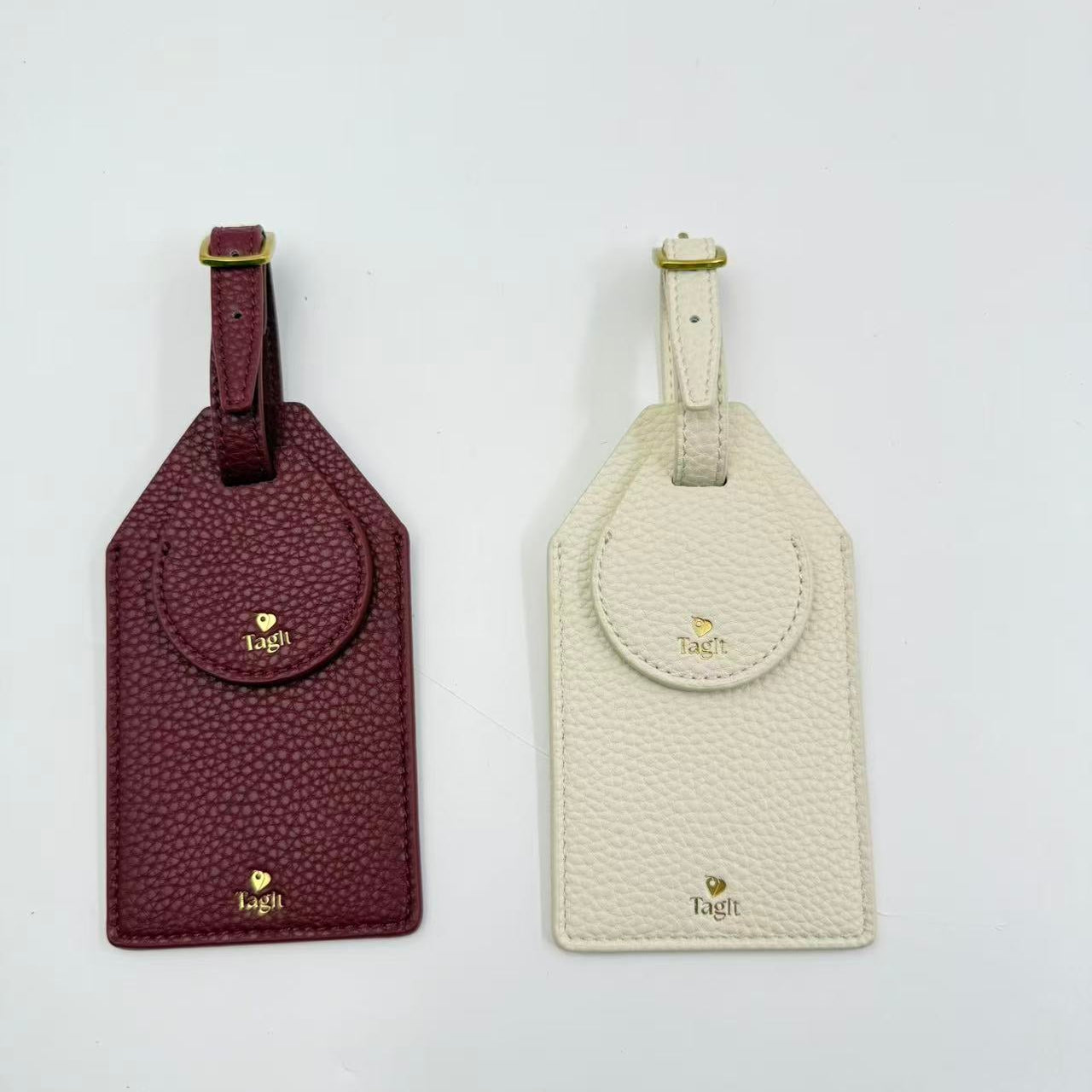
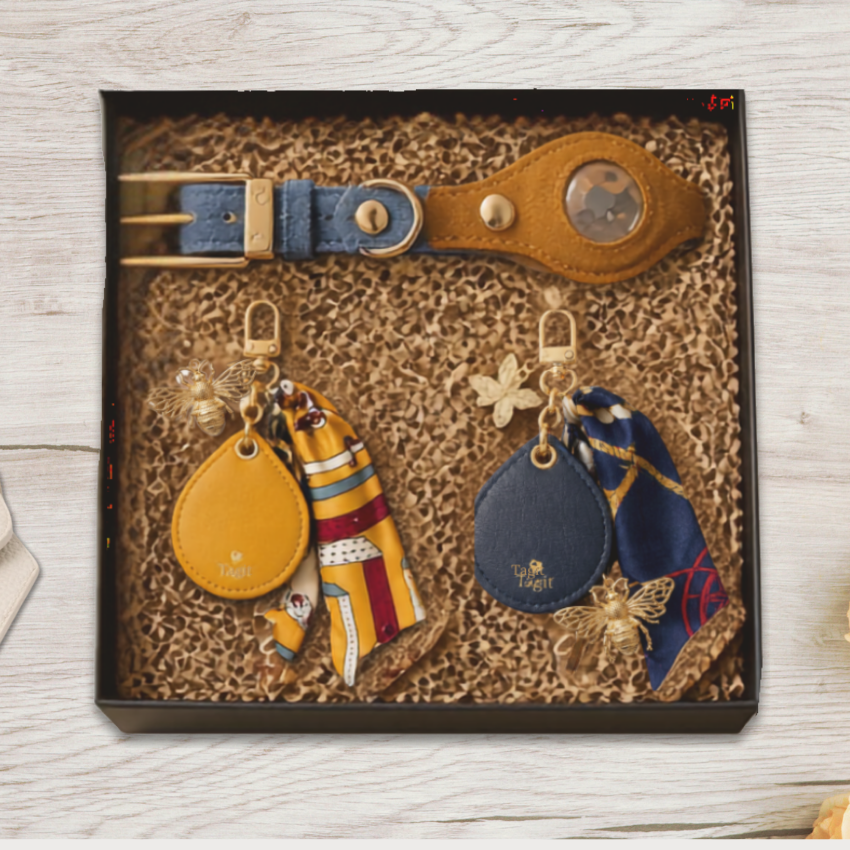
Add durable identification to bags and cases that leave home. Use current contact information, but avoid displaying sensitive details you would not want visible in public. For compatible personal objects, a locator accessory can add another layer—but it should complement, not replace, visible identification and good habits.
5. Build a 60-second reset
At the end of the day, place essentials back in their home, remove receipts and trash, recharge anything low, and restock only what was used. This tiny routine prevents the morning search.
6. Review once a month
Check expired cards, old receipts, worn key rings, empty products, and outdated contact labels. Seasonal changes are a good prompt to adjust what you carry.
A simple departure check
Before you leave, use the same short sequence: phone, wallet, keys, identification, and any trip-specific item. Repetition turns a checklist into muscle memory—and gives the things that matter a better chance of staying close.
